Key Considerations for EV Charger Installation in Maryland
As electric vehicles (EVs) continue to surge in popularity across Maryland, more homeowners and business owners are turning to dedicated EV charger installations to keep their vehicles powered efficiently and conveniently. With the state’s push toward sustainable transportation—evidenced by growing incentives and infrastructure mandates—installing an EV charging station at your home or commercial property is not just a smart investment but a forward-thinking move. However, navigating the process requires careful planning to ensure safety, compliance, and optimal performance. At Dallis Electrical Services, a family-owned Maryland electrical contractor with over 17 years of experience, we’ve helped countless clients seamlessly integrate EV chargers into their properties. As ChargePoint Certified experts led by Master Electrician Steven Dallis, we’re here to guide you through the key considerations for EV charger installation in Maryland, blending our proven expertise with practical insights to make your transition to electric driving effortless.
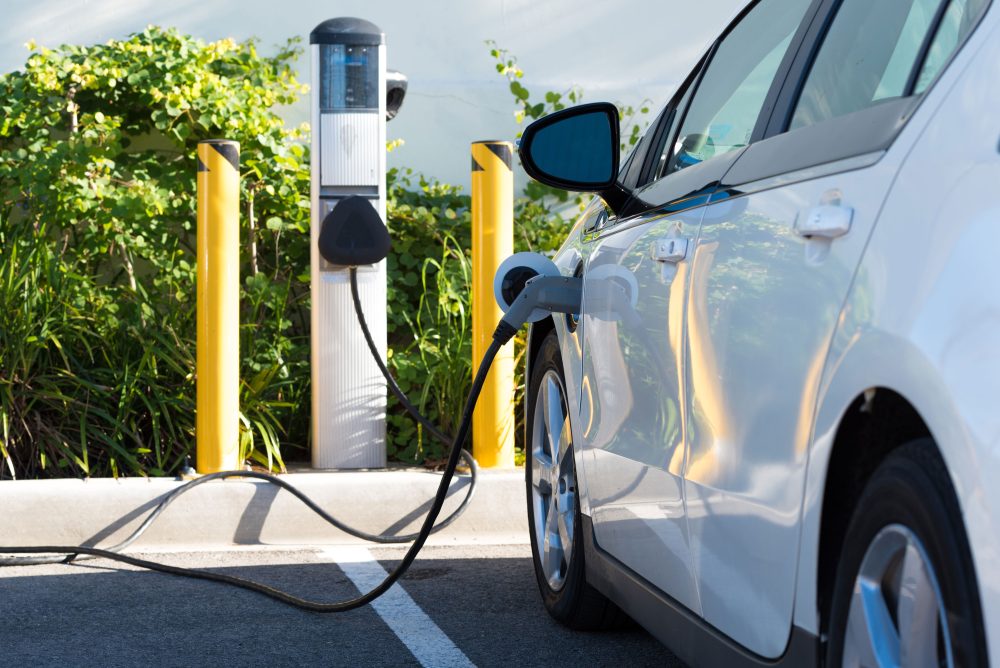
The first step in any EV charger installation is selecting the appropriate type based on your usage, location, and budget. For residential setups in Maryland, Level 1 chargers—which plug into a standard 120-volt outlet—offer basic overnight charging but are often too slow for daily commuters. Level 2 chargers, operating at 240 volts, provide faster charging times (typically 4-8 hours for a full charge) and are ideal for home garages or driveways, supporting most modern EVs like Tesla or Chevy Bolt models.
For businesses, such as retail spaces or offices in areas like Baltimore or Annapolis, DC fast chargers (Level 3) deliver rapid charging but require significant electrical capacity and are better suited for high-traffic commercial sites. Key factors include your vehicle’s battery size, daily mileage, and whether you need smart features like app-based scheduling or energy monitoring. According to industry guidelines, assessing demand—such as how many vehicles will use the station—helps determine if multiple units are needed. At Dallis Electrical Services, our certified team conducts personalized consultations to recommend the best EV charging solutions, ensuring compatibility with brands like Tesla, ChargePoint, and EVgo while maximizing energy efficiency and minimizing downtime.
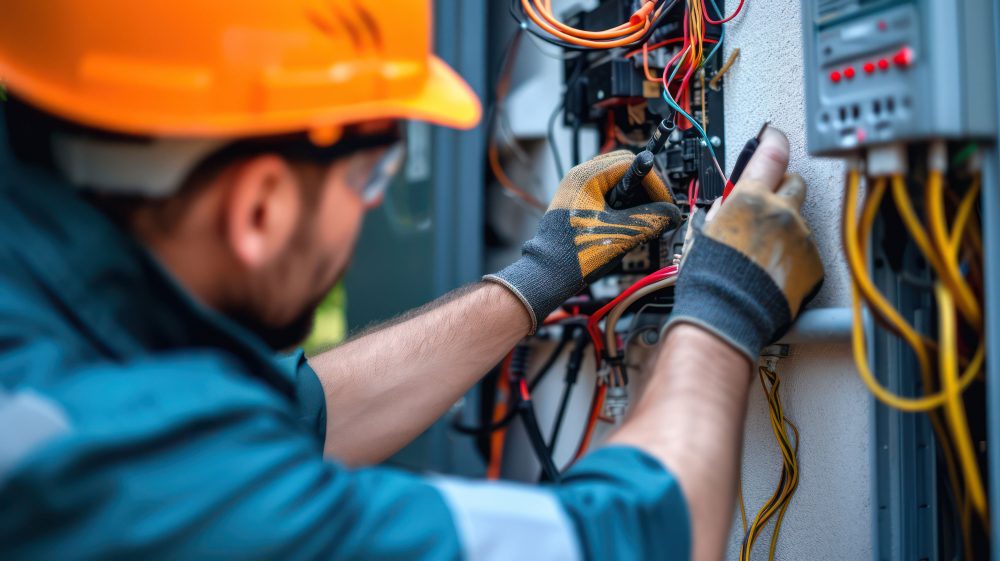
One of the most critical yet overlooked aspects of EV charger installation in Maryland is assessing your property’s electrical infrastructure. A Level 2 charger, for instance, demands 30-50 amps, which may necessitate an electrical panel upgrade if your current system is outdated or undersized (common in older Maryland homes built before the 2000s). Overloading circuits can lead to tripped breakers, fire hazards, or inefficient charging, so a professional load calculation is essential to identify needs like additional circuits or a 200-amp service upgrade.
For commercial properties, this evaluation extends to power distribution and peak load management to avoid disruptions during business hours. Our experienced electricians at Dallis Electrical Services perform thorough diagnostics using advanced tools, identifying issues like insufficient amperage or corroded wiring early on. This not only ensures safe installation but also future-proofs your setup for expansions, such as adding solar integrations or additional chargers. Remember, attempting DIY assessments can void warranties and pose risks—trust licensed professionals to handle these complexities with precision.
The placement of your EV charger significantly impacts usability, safety, and longevity. For home installations in Maryland, garages or covered driveways are preferred to protect against harsh weather like heavy rains or snow, which can affect outdoor units. Consider accessibility: the charger should allow easy vehicle parking without obstructing walkways, and cable length (typically 18-25 feet) must reach your EV’s port comfortably. ADA compliance is crucial for multi-family or commercial sites, ensuring unobstructed access and proper height mounting (usually 18-48 inches from the ground).
Business owners should evaluate parking capacity, traffic flow, and visibility to encourage customer use, potentially boosting foot traffic. Site preparation might involve trenching for underground wiring, concrete pads for stability, or weatherproof enclosures. As Avetta Certified contractors, Dallis Electrical Services excels in site assessments, ensuring your EV charger installation in Maryland is strategically placed for maximum convenience and durability, all while adhering to local zoning requirements and minimizing installation disruptions.
Maryland’s regulations for EV charger installation emphasize safety and sustainability, making compliance non-negotiable. Since October 1, 2023, new single-family homes with garages, carports, or driveways must include either a Level 2 EV charger or pre-wiring for future installation. All installations must follow the National Electrical Code (NEC) Article 625, which covers equipment protection, grounding, and ventilation to prevent hazards. Local jurisdictions, such as Prince George’s or Montgomery County, may require specific permits, inspections, and adherence to setback rules or curbside guidelines for public-facing chargers.
For associations or multi-unit dwellings, residents must engage licensed contractors and comply with building codes, often needing approval from HOAs. At Dallis Electrical Services, our membership in the Harford County Electrical Contractors Association ensures we’re up-to-date on these mandates. We handle permitting and inspections seamlessly, drawing on our 17+ years of experience to deliver code-compliant EV charger installations in Maryland that pass inspections on the first try, saving you time and potential fines.
Budgeting for EV charger installation in Maryland involves more than hardware—factor in electrical upgrades, labor, and permits, with total costs ranging from $500-$2,500 for residential Level 2 setups and higher for commercial DC fast chargers. Fortunately, Maryland offers attractive incentives to offset expenses. The Maryland Energy Administration’s (MEA) Electric Vehicle Supply Equipment (EVSE) Rebate Program provides up to 50% of costs, capped at $700 for residential chargers and $5,000 for businesses or governments, including Level 2 and DC fast options. For fiscal year 2026, this program continues to expand charging infrastructure statewide.
Additionally, federal tax credits offer up to $1,000 for home charging equipment, while Maryland’s $3,000 excise tax credit applies to EV purchases. Low-income or rural residents may qualify for extra rebates up to $1,000. Dallis Electrical Services helps clients navigate these opportunities, ensuring you maximize savings through our eco-friendly, certified installations. Our transparent pricing and free quotes make budgeting straightforward, turning your EV charger project into a cost-effective upgrade.
While some may consider DIY EV charger installation to cut costs, the risks far outweigh the savings—improper wiring can lead to electrical fires, voided warranties, or denied incentives. Professional installation guarantees safety, efficiency, and compliance, with experts handling everything from load balancing to smart integrations. Look for installers with EV-specific certifications, like ChargePoint, and a track record in Maryland’s diverse climates and building types.
As a family-owned business founded by Steven Dallis in 2008 and expanded with partner Christina Sutor-Dallis, Dallis Electrical Services brings over 40 years of combined expertise to every project. Our Procore-using team ensures streamlined management, from initial site surveys to final testing, providing warranties and ongoing support for your EV charger in Maryland.
Once installed, regular maintenance is key to longevity—annual inspections can catch issues like cable wear or software glitches early. Consider smart chargers with remote monitoring for proactive alerts, and plan for scalability if EV adoption grows in your household or business.
At Dallis Electrical Services, we offer maintenance plans alongside installations, helping you stay ahead with energy-efficient upgrades that align with Maryland’s green initiatives.
Installing an EV charger in Maryland is a rewarding step toward sustainability, but success hinges on thoughtful planning and expert execution. By considering charger type, electrical capacity, location, regulations, costs, and professional help, you’ll enjoy reliable, efficient charging for years to come. Ready to get started? Contact Dallis Electrical Services today for a free consultation on EV charger installation in Maryland. With our ChargePoint certification, family-driven commitment, and proven track record, we’ll make your transition smooth and electrifying. Drive greener—let’s plug you in!
Let us light up your home or business with fast, reliable electrical services from Dallis Electrical. Contact us today!